
Beverly Hills Apartment Seller Guide
A seller's guide to Beverly Hills rent stabilization, covering Chapter 5 and Chapter 6 units, current increase limits, and what those rules mean for a sale.
Beverly Hills is its own city, with its own rent-stabilization ordinance. The City of Los Angeles Rent Stabilization Ordinance (RSO) and Measure ULA do not apply here. If you own an apartment building in Beverly Hills and are considering a sale, the rent rules on your units are part of how a buyer will underwrite the building.
This page summarizes those rules from official city and state sources, checked on Nov 22, 2026. It is general information, not legal advice, and the percentages below are updated by the city on a set schedule. Confirm the current figures and how they apply to your units with the City of Beverly Hills Rent Stabilization & Housing Division or a qualified attorney.
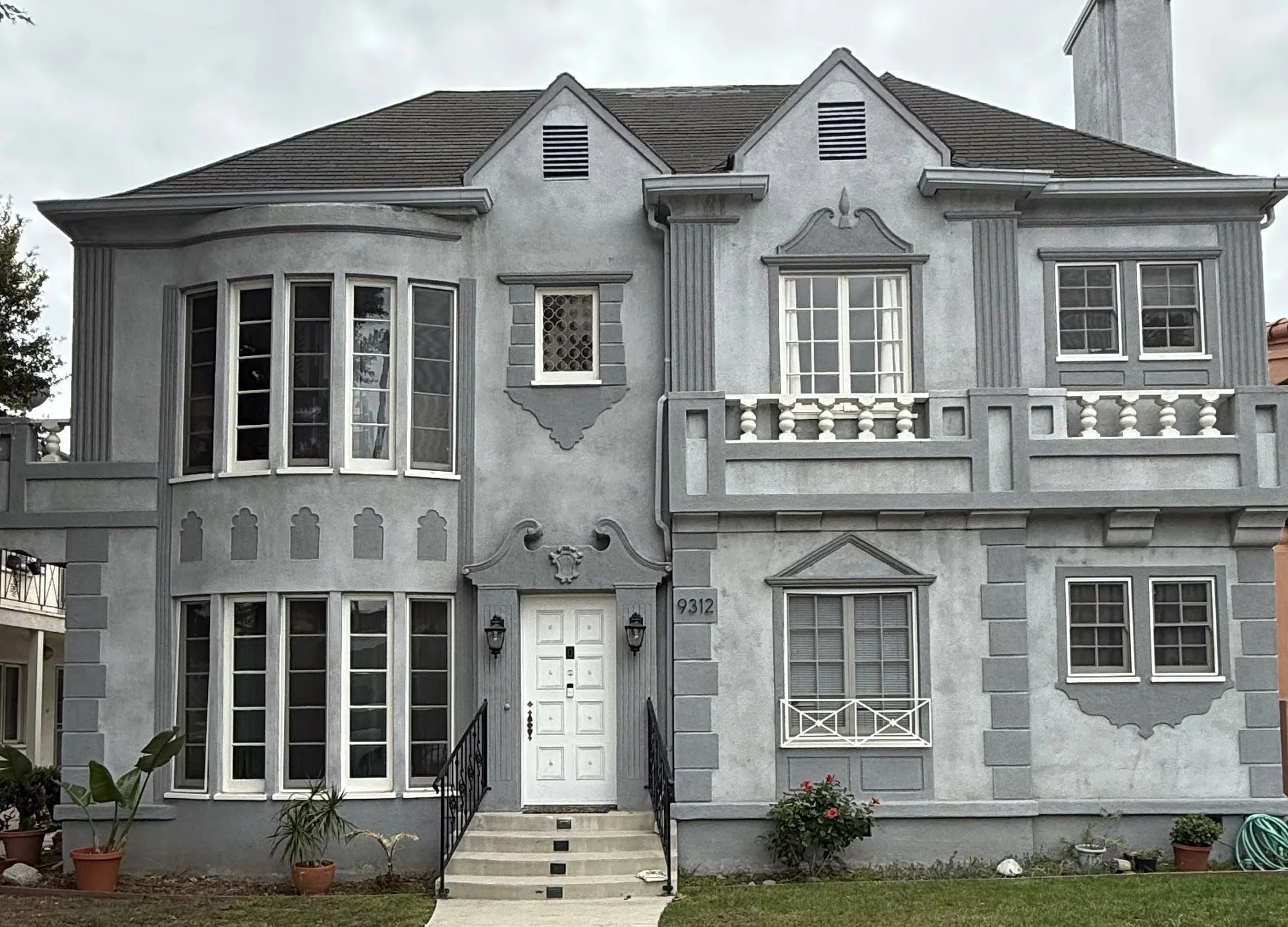
David Saghian (Lyon Stahl, DRE 01992252) sold 9312 W Olympic Blvd, a 6-unit Beverly Hills building, for $2,750,000. The closing page states that he represented both the buyer and the seller. The Saghian Group has closed 4 sales totaling $12.5 million in Beverly Hills and the bordering 90035 neighborhoods of Pico-Robertson and Beverlywood. For that sale, the 2025 Beverly Hills market snapshot, and a free valuation, see our Beverly Hills multifamily page or call (310) 401-1559.
Who is covered
The City of Beverly Hills says its Rent Stabilization Ordinance applies to most residential rental units in the city, with stated exceptions that include:
- Single-family residences
- Most condominiums
- Units in buildings that were issued a certificate of occupancy after February 1, 1995
- Hotels, motels, inns, and rooming houses rented for no more than 30 consecutive days
- Non-profit cooperatives owned and controlled by a majority of the residents
- Units owned or operated by a government agency
Source: City of Beverly Hills, Rent Stabilization Ordinance. The February 1, 1995 cutoff is the statewide Costa-Hawkins line for local rent control (California Civil Code § 1954.52). A building with a certificate of occupancy after that date may still be covered by the state’s Tenant Protection Act (AB 1482) if it is more than 15 years old. See AB 1482 vs. LA rent control and Civil Code § 1947.12.
Chapter 5 units and Chapter 6 units
Beverly Hills uses two chapters of its municipal code:
- Chapter 5 units are in buildings constructed before September 20, 1978, and had an original monthly rent of $600 or less.
- Chapter 6 units are all other units subject to the ordinance.
The allowed annual increase is calculated differently for each chapter (Beverly Hills Municipal Code §§ 4-5-303 and 4-6-3). We have not determined, and this page does not claim, which chapter applies to 9312 W Olympic Blvd or to any other specific building. That is a unit-level question for the city’s registry and counsel.
Current maximum annual rent increases
As published by the city on Nov 22, 2026:
| Unit type | How often the city updates the figure | Last update posted by the city | Maximum allowed increase |
|---|---|---|---|
| Chapter 5 | Monthly | November 10, 2026 | 3.47% |
| Chapter 6 | Annually in June | June 2026 | 3.6% |
Sources: Rent Stabilization & Housing and Rent Stabilization Ordinance. The California Attorney General’s local rent-cap chart also lists 3.6% for Beverly Hills Chapter 6-style increases for July 1, 2026 through June 30, 2027, and tells readers to check with the city for the current Chapter 5 figure (oag.ca.gov/rentcaps).
City rules that matter for a sale, from the same official pages:
- Only one rent increase is allowed for each tenant in any 12-month period.
- If an owner skips an increase one year, the next year’s increase is still limited to the then-current percentage. The owner may not “catch up” by stacking two years into one.
- A 30-day notice must be delivered personally or served by mail as described in California Code of Civil Procedure § 1013 (see also Civil Code § 827).
- Landlords may apply to the city for a rent adjustment above these percentages in order to achieve a “just and reasonable return,” based on net operating income principles. That is a city process, not a broker determination.
Vacancy, new tenants and registration
When a unit is voluntarily vacated, the city says the owner may charge the current market rate as the initial base rent. Future increases are again limited by the ordinance. If the vacancy was not voluntary, the rent that may be charged to a new tenant varies with the reason for vacancy. See the city’s ordinance page and its tenant eviction-protections materials.
The owner must also:
- Give a new tenant a copy of the Beverly Hills Tenant Landlord Handbook at least 24 hours before the lease is signed, with both parties signing the copy
- Register the new rent in the city’s online registry within 30 days
- Register rental units annually. For 2026, the city posted an August 31, 2026 registration deadline
The city also bills a Rent Control Administration Fee on units in properties subject to rent control, including vacant and owner-occupied units on those properties. Details are on the Rent Stabilization & Housing page.
How this compares with Los Angeles RSO and AB 1482
For a seller comparing a Beverly Hills building with one in the City of Los Angeles or a city that has no local rent cap:
- City of Los Angeles RSO generally applies to rental units first built on or before October 1, 1978 (plus certain replacement units). The Los Angeles Housing Department’s allowable increase for July 1, 2026 through June 30, 2027 is 3%, once every 12 months, with no added utility percentage as of February 2, 2026. Sources: LAHD RSO overview and the LAHD Allowable Rent Increase Bulletin.
- AB 1482 (the Tenant Protection Act, Civil Code § 1947.12) caps covered units statewide at 5% plus the change in the cost of living, or 10%, whichever is lower. For the Los Angeles area, the Attorney General lists 8.7% for increases starting August 1, 2026 through July 31, 2027 (oag.ca.gov/rentcaps). Where a local ordinance already limits increases to less than that statewide cap, the local rule applies. Beverly Hills’ current Chapter 5 and Chapter 6 percentages are lower than 8.7%, so the local cap is the one that applies to covered Beverly Hills units.
- Newer Beverly Hills buildings (certificate of occupancy after February 1, 1995) are exempt from the city’s ordinance. If the building is more than 15 years old, AB 1482 may still apply, unless a statutory exemption does. This is a common underwriting question on 1990s and early-2000s buildings, and it should be confirmed unit by unit.
- Measure ULA, the City of Los Angeles transfer tax on certain high-value sales, does not apply in Beverly Hills. County and any city transfer taxes may still apply. See our Measure ULA guide.
What this means when you sell
Buyers price a rent-stabilized building off in-place rents, the remaining runway on each lease, and what the law allows after a voluntary vacancy. The official rules above are the starting point for that analysis, not a value. A valuation should use your rent roll, the chapter that applies to each unit, and recent comparable sales, including 9312 W Olympic Blvd where it is relevant, and the bordering 90035 sales at 1442-1446 S Bedford St, 845 S Le Doux Rd and 1967 Preuss Rd.
David Saghian has personally closed $330M+ in sales since 2021. The Saghian Group’s team track record is $430M+. Those figures are counted separately. For the Beverly Hills sale, nearby closings and 2025 market figures, use the Beverly Hills multifamily page. To talk through a specific building, call (310) 401-1559 or request a free valuation. There is no obligation to list.
Frequently Asked Questions
Does Los Angeles rent control or Measure ULA apply to a Beverly Hills apartment building?
No. Beverly Hills is a separate city. The City of Los Angeles Rent Stabilization Ordinance and Measure ULA apply in the City of Los Angeles. Beverly Hills administers its own rent-stabilization ordinance. County and any city transfer taxes may still apply.
What is the difference between a Chapter 5 unit and a Chapter 6 unit?
The city defines Chapter 5 units as those in buildings constructed before September 20, 1978, with an original monthly rent of $600 or less. All other units subject to the ordinance are Chapter 6. Each chapter has its own increase formula. Confirm which chapter applies to your units with the city. Source: beverlyhills.gov/1098/Rent-Stabilization-Ordinance.
What rent increase is allowed in Beverly Hills right now?
As posted by the city on Nov 22, 2026, 3.47% for Chapter 5 units (updated November 10, 2026; this figure changes monthly) and 3.6% for Chapter 6 units (updated June 2026). Only one increase per tenant is allowed every 12 months, and skipped years cannot be stacked. Check the city for the current Chapter 5 number before relying on it.
Can I reset rent to market when a tenant moves out?
The city says that when a unit is voluntarily vacated, the owner may charge the current market rate as the initial base rent, and later increases are again limited by the ordinance. If the vacancy was not voluntary, the allowed starting rent depends on the reason for vacancy. Confirm the facts of the tenancy with counsel and the city’s eviction-protections rules. This page does not treat every vacancy as a market reset.
Does AB 1482 apply in Beverly Hills?
For units already under the city’s ordinance, the local cap applies if it is lower than the statewide cap, which the current Chapter 5 and Chapter 6 percentages are. Units exempt from the city’s ordinance, including many buildings with a certificate of occupancy after February 1, 1995, may still be covered by AB 1482 if they are more than 15 years old and no exemption applies. See Civil Code § 1947.12 and oag.ca.gov/rentcaps.
Have you sold an apartment building in Beverly Hills?
Yes. David Saghian sold 9312 W Olympic Blvd, a 6-unit building, for $2,750,000. The closing page states that he represented both the buyer and the seller. The Saghian Group has also closed 3 sales in the bordering 90035 neighborhoods of Pico-Robertson and Beverlywood, for 4 sales totaling $12.5 million in Beverly Hills and those bordering neighborhoods. Details are on the Beverly Hills multifamily page.
How do I get a value for my Beverly Hills building?
Call (310) 401-1559 or request a free valuation. A useful valuation starts with the rent roll, the chapter and registration status of each unit, and recent comparable sales. There is no obligation to list.