
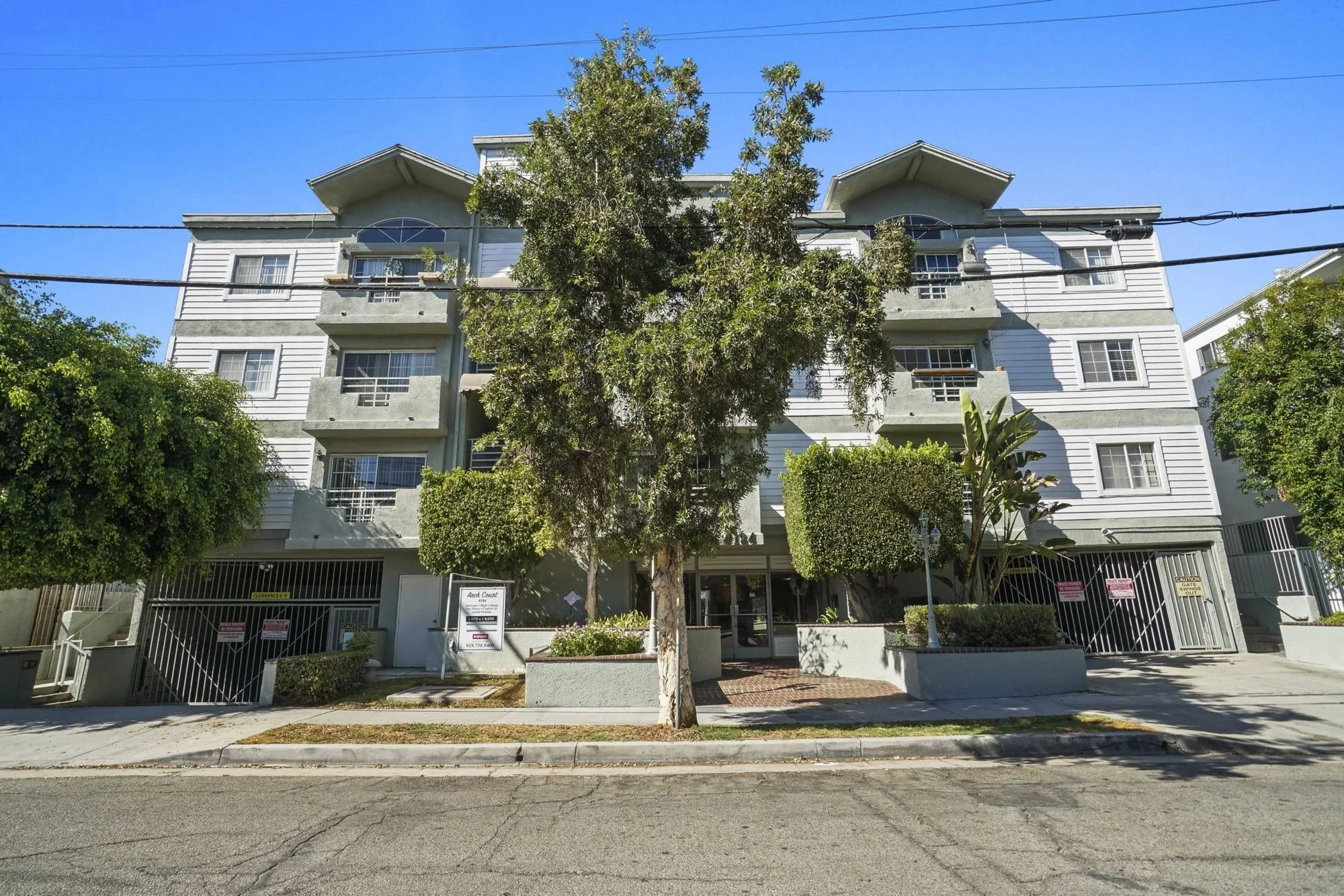
Front of 4180 Arch Drive, Studio City
Apartment building comps are closed sales of similar properties used to help estimate a building’s value. In Los Angeles, a useful comp set starts with the same submarket and comparable building size, unit mix, condition and rent restrictions. A broker then tests those sales against your rent roll and operating expenses. The result should be a reasoned pricing range, not a promise based on a citywide average.
If you are thinking, “I want to sell my apartment building, but I do not know where to price it,” start by asking why each comp belongs in the analysis. A nearby address is not enough.
Start With Closed Sales, Not Asking Prices
An asking price shows what a seller hopes to receive. A closed sale shows what a buyer and seller agreed to, subject to that transaction’s terms. Active listings can help explain your competition, but they should not be presented as completed sales.
For each closed comp, ask for the address, closing date, sale price, property type and verified unit count. Then ask what is known about its income, condition and sale terms. Missing information should be identified, not filled in with assumptions.
Our published track record lists 75 closings totaling $324,768,000 across several property types. That is a source for reviewing individual sales, not a ready-made apartment comp set. A retail sale, land sale or single-family sale should not automatically enter an apartment-building comparison.

Front of 11040 Hesby Street, North Hollywood
How to Read an Apartment Comp Set
Match the submarket before widening the search
Begin with properties that compete for similar renters and buyers. Street location, access, parking and the surrounding housing stock can matter even within the same neighborhood. A shared Los Angeles mailing address does not establish comparability.
Do not blend Westside and San Fernando Valley sales into a single average without explaining the differences. If nearby evidence is limited, a broker may widen the search, but should explain why a farther sale is useful and what makes it less comparable. Our Los Angeles multifamily page organizes published closings by area; the Studio City page provides a neighborhood-level starting point.
Compare unit mix and building size
Price per unit is easy to calculate, but a studio and a larger apartment are not interchangeable. Compare bedroom mix, unit sizes where verified, parking, laundry and other amenities. Also consider whether the buildings appeal to similar buyers.
A building with mostly smaller apartments can have a different income profile from one with larger units, even when their total unit counts match. A comp sheet should show those differences rather than hiding them behind one average.
Review vintage, condition and capital needs
Compare the building’s age, renovations and major systems. Roof condition, plumbing, electrical work, retrofit documentation and deferred maintenance can affect what a buyer will pay.
Separate completed work from proposed improvements. A renovated comp does not prove that an unrenovated building is worth the same amount before renovation costs, disruption and uncertainty. Ask which conditions are documented and which still need inspection.
Separate in-place rents from projected rents
The rent roll shows what tenants are currently paying. Projected market rents describe a different scenario. A useful comparison keeps them separate and explains the assumptions needed to move from one to the other.
Confirm the property’s jurisdiction and applicable rent rules, including the City of Los Angeles Rent Stabilization Ordinance (RSO), state protections and any relevant local ordinance. Do not assume that a non-RSO building has no rent restrictions. Existing leases and tenant protections matter when estimating rent upside. A sale does not turn occupied apartments into immediately available market-rate units.
Identify commercial space
An apartment building with storefronts or offices needs a closer comparison than a residential-only property. Review the commercial leases, tenant obligations, vacancy and the cost of re-leasing space. Simply dividing the entire price by the apartment count can obscure the commercial component.
Our mixed-use pricing guide discusses that income analysis separately. This guide focuses on selecting and reading the comp set, rather than repeating that case study.
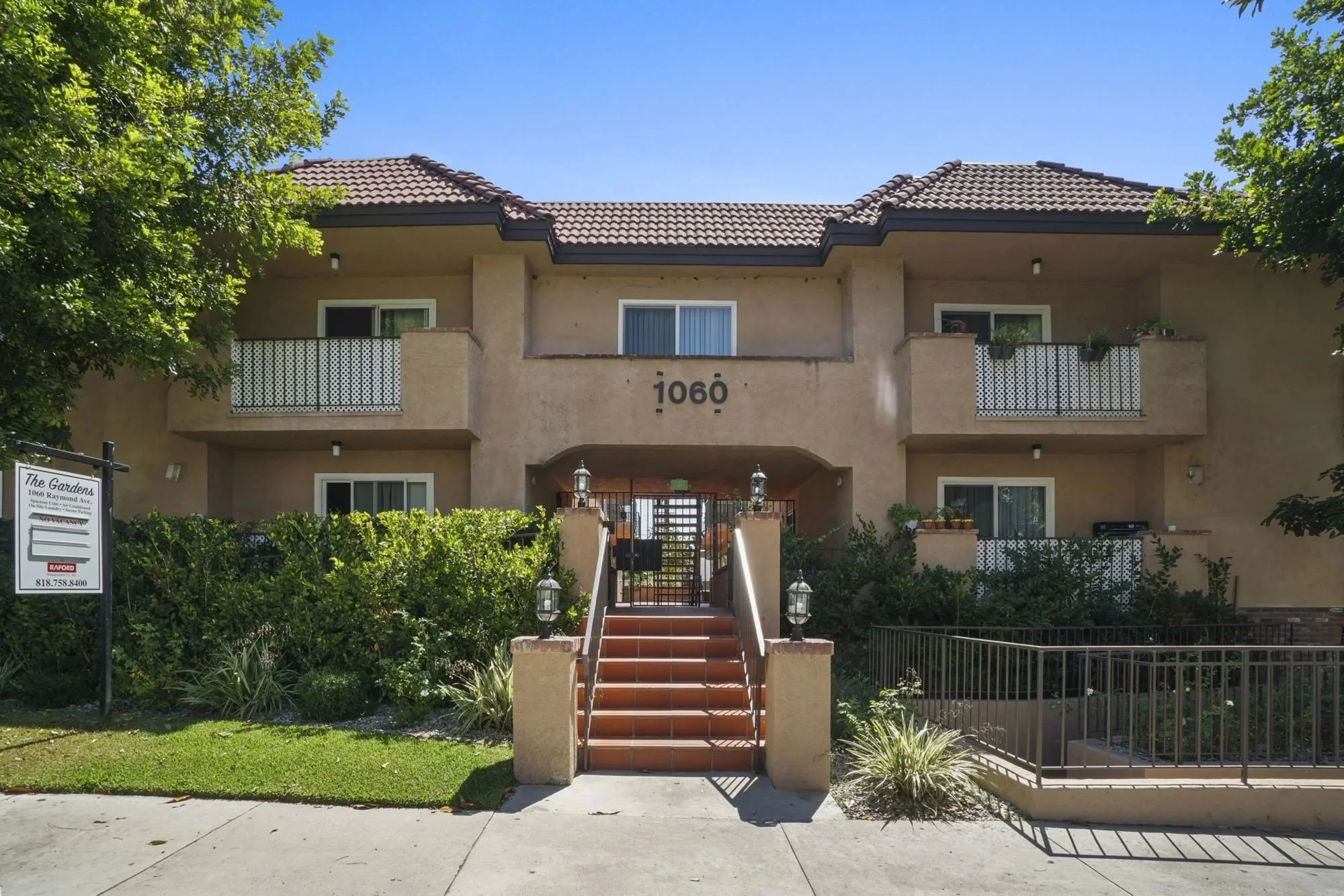
Front of 1060 Raymond Avenue, Glendale
Use Several Pricing Measures Together
Each measure answers a different question:
- Price per unit is the sale price divided by the verified unit count. It helps compare scale, but does not account for differences in unit mix or income.
- Price per square foot compares price with verified building area. Check that the area figures describe comparable space.
- Gross rent multiplier (GRM) is price divided by annual gross rental income. Confirm whether the reported rent is actual or projected. GRM does not account for operating expenses.
- Capitalization rate is net operating income divided by price. Net operating income (NOI) is operating income minus operating expenses, before loan payments and income taxes.
For an income-based value indication, divide supportable NOI by a market-supported cap rate expressed as a decimal. The cap rate should come from relevant evidence, not whichever number produces the desired price. Income assumptions must also be consistent: a cap rate based on projected income is not directly comparable to one based on in-place income.
Common Comp Mistakes to Avoid
Using house comps for an apartment investment overlooks the building’s operating income and leases. Averaging unrelated neighborhoods can conceal meaningful location differences. Ignoring rent restrictions or maintenance can make a superficially similar sale misleading.
Another mistake is treating every sale as equally useful. An older sale may provide context without reflecting current conditions. Unusual financing, seller concessions or development potential may also limit a sale’s usefulness. Ask the broker to distinguish the strongest evidence from secondary context rather than mechanically averaging everything.
How the Rent Roll Turns Comps Into a Valuation
Start with your current rent roll, leases and trailing 12-month operating statement, often called a T-12. Add repair records and documentation of major improvements. A broker reviews current rents, vacancy and operating expenses, then compares the income profile and physical building with relevant closed sales.
The written explanation should connect the evidence to the range: which comps carry the most weight, which differences matter and which assumptions remain unverified. Keep the current-income view separate from any improvement or rent-upside scenario.
A brokerage valuation is not a lender-required appraisal. It is a pricing opinion to help you plan. Our Los Angeles apartment selling guide explains how that pricing work fits into preparation, marketing and escrow.
Get a Building-Specific Comp Review
Request a free, confidential property valuation or call (310) 401-1559. Send the address and unit count to start; a rent roll and T-12 allow a more detailed review. David Saghian of The Saghian Group at Lyon Stahl will walk you through a pricing range and the evidence behind it. There is no obligation to sell.
Past results do not guarantee a sale price. Rent-rule questions should be confirmed with qualified legal counsel.
Frequently Asked Questions
What makes an apartment building a useful comp in Los Angeles?
A useful comp is a verified closed sale with a similar submarket, building size, unit mix, condition and income profile. Rent restrictions and commercial space also matter. Nearby location alone does not make a sale comparable.
Can I value my apartment building using price per unit alone?
No. Price per unit is a cross-check, not a complete valuation. Compare the rent roll, operating expenses, condition and applicable rent rules, then review cap rate, gross rent multiplier and relevant closed sales together.
Should apartment building comps use current or market rents?
Keep current rents and projected market rents separate. A valuation should identify the income basis used for each comp and explain the legal, leasing and improvement assumptions behind any projected upside.
What should I send for a comp-based valuation?
Start with the property address and unit count. A current rent roll, leases, trailing 12-month operating statement and repair records help a broker compare your building with closed sales and explain a supportable pricing range.