
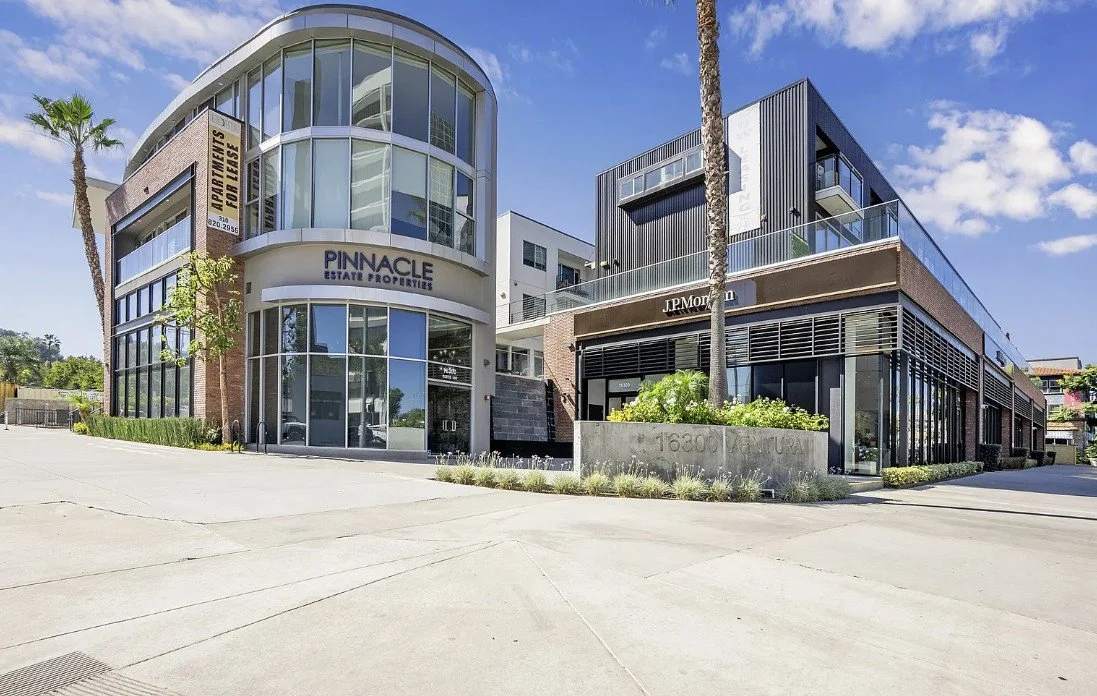
16300 Ventura Blvd, Encino: a mixed-use property with 49 apartments and two commercial units along the Ventura Corridor. The Saghian Group represented both sides.
Short answer: Yes. In California, one broker can represent both the buyer and the seller of an apartment building, which is called dual agency. It's legal only when both sides know about it and agree in writing, and the broker has to keep each side's confidential information private, including how low the seller would go or how high the buyer would pay.
Updated: November 2026. We refresh these figures as new sales close.
Owners ask us about this often, because many of our sales end with David Saghian or The Saghian Group on both sides. Here's how it works on real sales, and what to ask before you agree to it.
What is dual agency?
Dual agency means one brokerage acts for both parties in the same sale. Under California's agency disclosure law (Civil Code Sections 2079.13 to 2079.24), a broker can be the agent of both the seller and the buyer, but only with the knowledge and consent of both. The broker owes both clients the same duties of honesty, fair dealing and reasonable care.
What can't a dual agent tell the other side?
California Civil Code Section 2079.21 says a dual agent may not share one client's confidential information with the other without permission. The statute names the most important example: the broker can't tell the buyer that the seller would accept less than the asking price, and can't tell the seller that the buyer would pay more than the offer. Facts about your finances, your reasons for selling and your bargaining position stay private too.
Has The Saghian Group done this on real sales?
Yes, several times. A few examples from our closing pages:
- 4100 McFarlane Ave, Burbank: a 13-unit building steps from Warner Bros Studios that sold for $4,725,000, a 4.20% cap rate and a 14.53 GRM. The offering drew nine competitive offers, and David Saghian represented both the buyer and the seller. See the 4100 McFarlane Ave closing.
- 5057 Cahuenga Blvd, North Hollywood: a fourplex across from Toluca Woods that sold for $1,350,000, a 4.47% cap rate and a 13.24 GRM. David represented both sides. See the 5057 Cahuenga closing.
- 9312 W Olympic Blvd, Beverly Hills: a 6-unit Art Deco building sold off market for $2,750,000, with a four-year seller carry back negotiated as part of the financing. David represented both the buyer and the seller. See the 9312 W Olympic Blvd closing.
- 16300 Ventura Blvd, Encino: a $31,250,000 trust sale of a mixed-use property with 49 apartments and two commercial units, where The Saghian Group represented both sides. See our Encino trust sale Q&A.
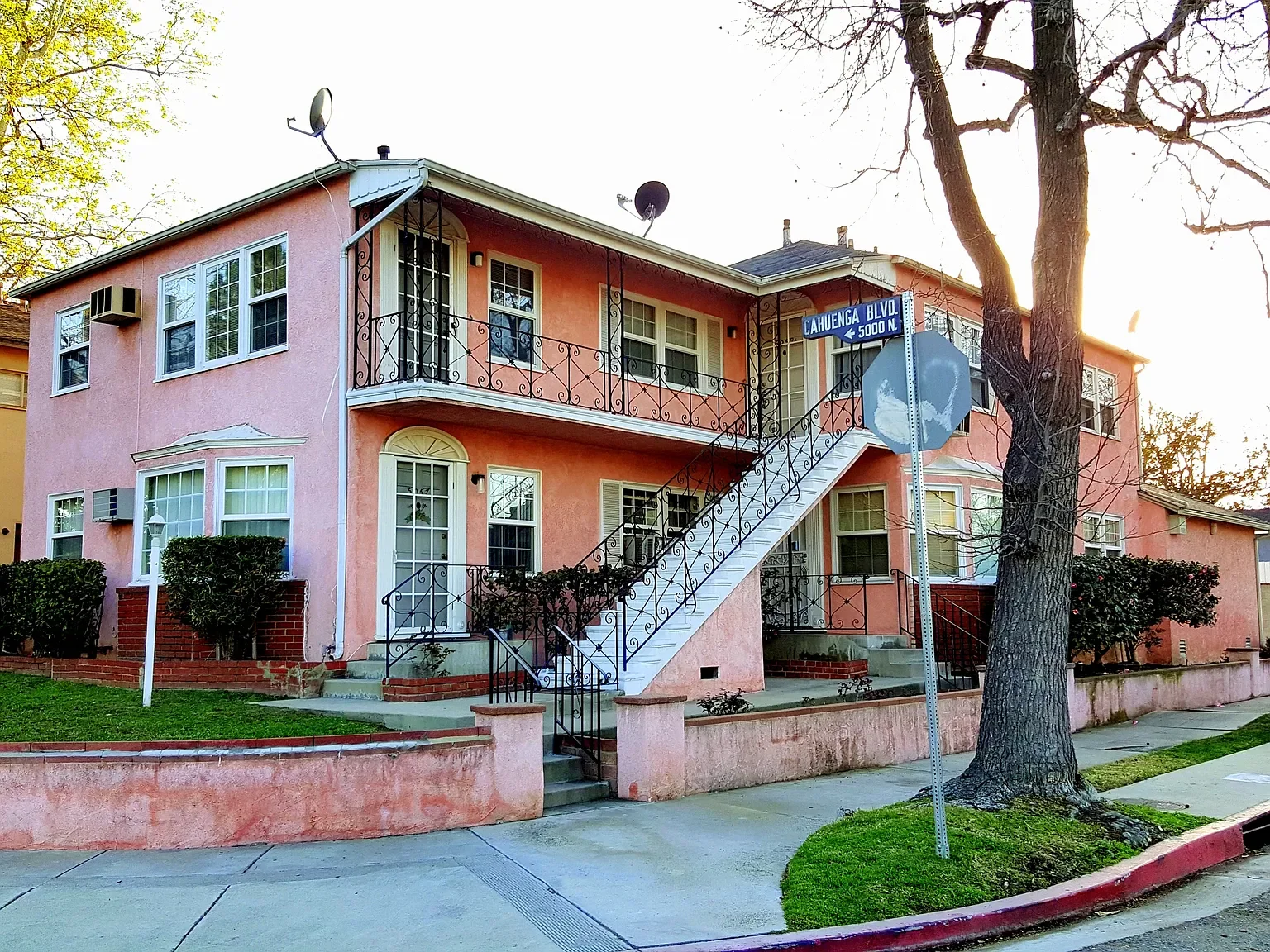
5057 Cahuenga Blvd, North Hollywood: a fourplex across from Toluca Woods. David Saghian represented both sides.
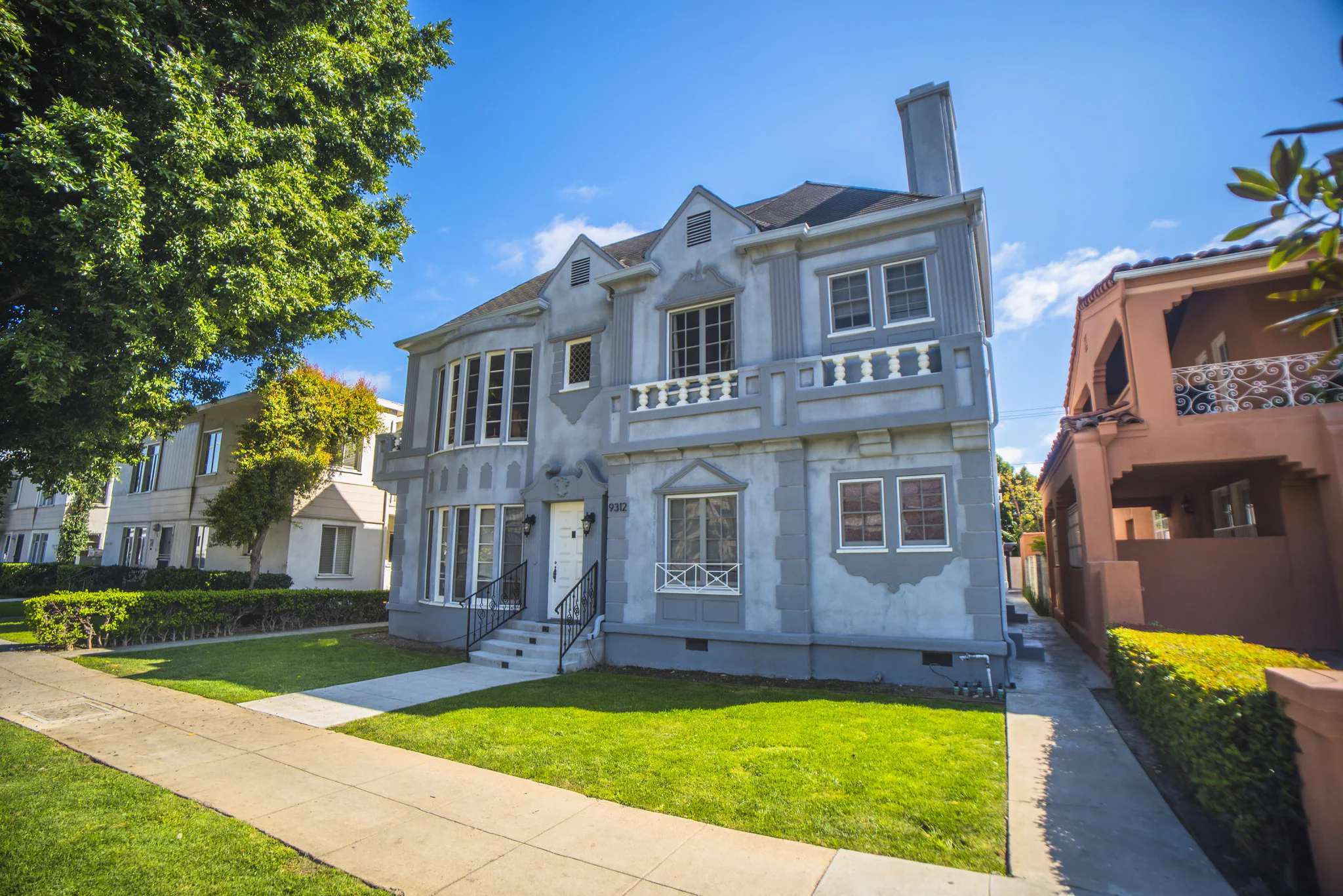
9312 W Olympic Blvd, Beverly Hills: a 6-unit Art Deco building sold off market. A four-year seller carry back was negotiated as part of the financing.
Does dual agency mean I'll get a lower price?
It shouldn't, and it doesn't have to. What protects your price is how the building is marketed, not who ends up representing the buyer. At McFarlane, the building was exposed to the market and drew nine offers before the seller chose a buyer. Ask any broker how they'll market your building and how they'll show you every offer, whether or not the buyer is their own client.
When does dual agency make sense for a seller?
It can help when the broker already knows the active buyers for your type of building, when you want a quiet or off-market sale, or when the deal needs creative terms, like the seller carry back on W Olympic Blvd. Having one broker who knows both sides can make it easier to settle repairs, timing and financing. It may make less sense if you'd rather have someone negotiating only for you. That's your choice, and you can say no.
What should I ask before I agree to it?
- Will I see every offer, including ones from buyers you don't represent?
- How will the building be marketed, and to how many buyers?
- What exactly will you keep confidential from the buyer?
- Is the commission different if you represent both sides?
- Will I get the agency disclosure and confirmation in writing before I sign?
Get the answers in writing, and talk with your attorney or tax advisor about anything legal or tax-related. We're brokers, not attorneys.
How do I find out what my building is worth?
Start with your rent roll and a list of operating expenses. We compare your building with recent nearby sales, including our own closings, and give you a range based on cap rate, GRM and price per unit. The Saghian Group has closed 75 sales totaling $324.8M, including 44 sales totaling $202.6M in the San Fernando Valley. The team's overall track record is $425M+, and David Saghian's personal closed sales are $325M+. See how we count our sales and our track record.
Thinking about selling an apartment building in Los Angeles?
David Saghian personally handles every sale. Call (310) 401-1559, email dsaghian@lyonstahl.com, or request a free property valuation. There's no cost and no obligation.
Results on past sales don't guarantee future results. This article is general information, not legal advice.