
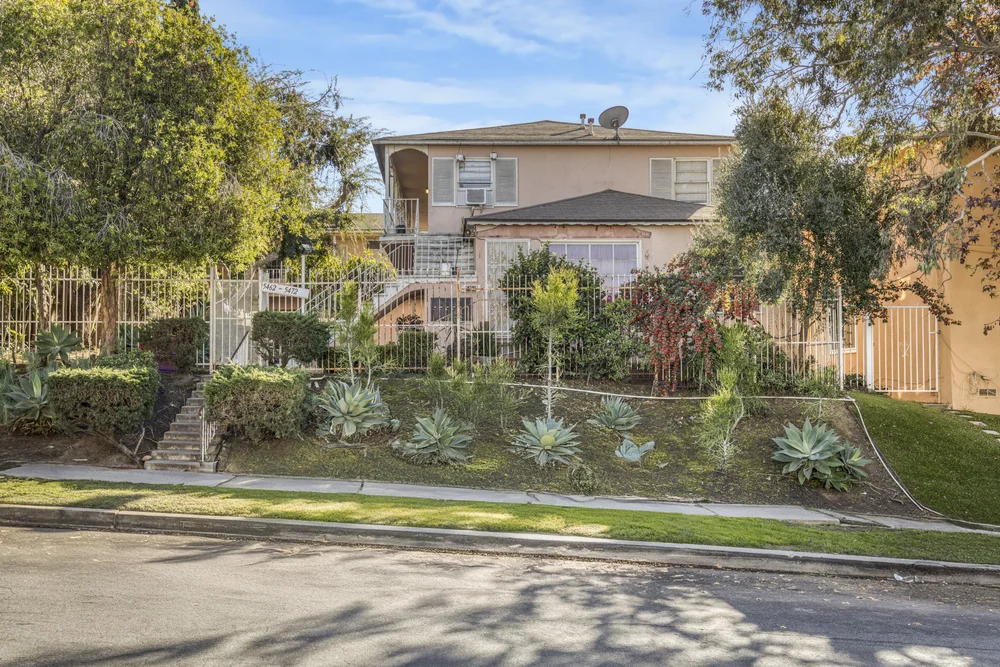
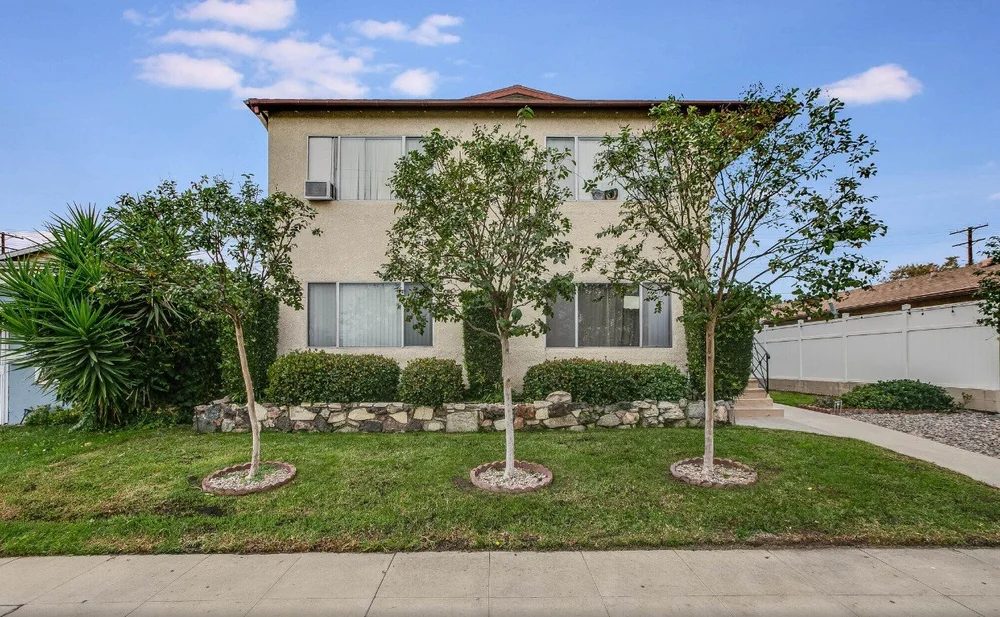
Front of 5462 Alvern Circle, Westchester
Quick answer: Plan on roughly four to five months from your first valuation to closing. Our selling guide uses a Day 0–150 planning schedule: about two weeks to price, a month to prepare the file, six weeks to market and pick a buyer, and six to eight weeks of escrow. The escrow itself can be much shorter. On our own closing pages, buyers have closed in 10, 14, 30 and 45 days, most of them all-cash buyers. A financing buyer, missing records, rent-control questions, a trust or probate sale or a 1031 exchange can add time.
Your timeline is set long before escrow opens. Most of the time in an apartment sale goes into pricing, preparing and marketing the building, and that is where sellers gain or lose weeks. This guide maps each step, shows how fast our own sales closed, and covers what speeds a sale up or slows it down. It completes our three-part series for sellers: our guide to apartment building comps in Los Angeles covers price, the net proceeds guide covers what you keep, and this one covers time.
The Five Phases of a Sale: Day 0 to Day 150
Our guide to selling an apartment building in Los Angeles lays out a five-phase planning schedule. It is a planning framework, not a promise. Some sales move much faster and some take longer.
- Phase 1, valuation and goals (days 0–14): rent roll and T-12 review, closed comps, and a net-proceeds estimate. You decide whether to sell now or hold, your price range, and whether you will do a 1031 exchange or cash out.
- Phase 2, prepare the file (days 15–45): documents, estoppels, rent-control records, repairs, photos and the offering memorandum. You decide between on-market and off-market, and what to fix versus disclose.
- Phase 3, market and negotiate (days 45–90): launch, tours, buyer calls, offers and counteroffers. You choose the buyer, the terms and the deposit.
- Phase 4, escrow and due diligence (days 90–130): inspections, financial review, lender appraisal and title. You decide on credits versus repairs and track contingency removal.
- Phase 5, close and after (days 130–150): funding, recording, tenant notices and, if you are exchanging, 1031 identification.
The biggest variable is how ready your file is before day 45. Owners who start Phase 2 with a clean rent roll, current leases and a year of income and expense statements tend to move through marketing and escrow with fewer surprises.
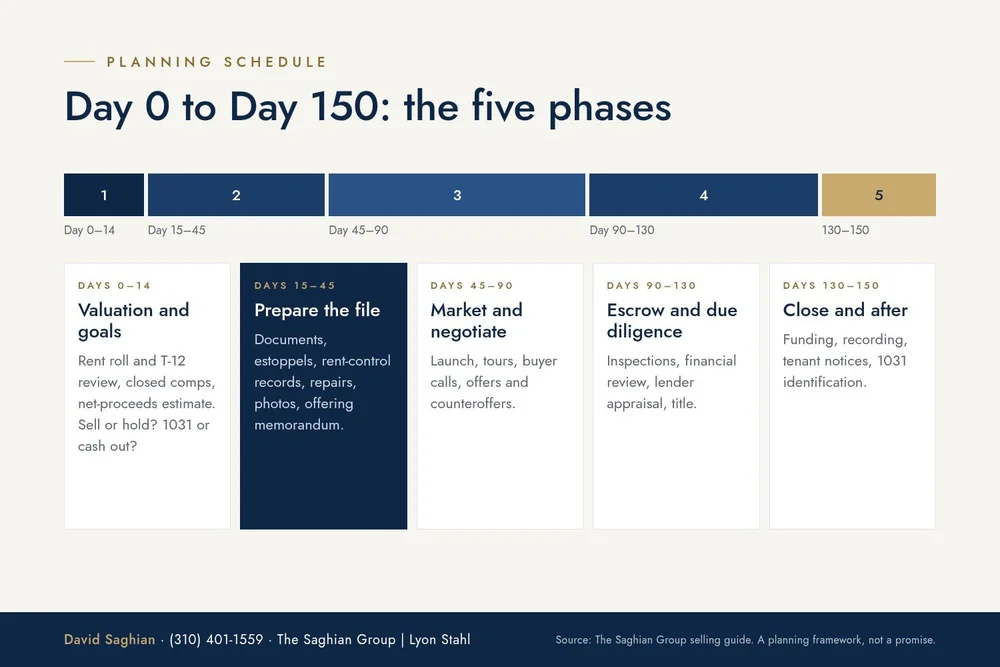
Plan on roughly four to five months from first valuation to closing. Some sales move much faster.
How Fast Our Recent Sales Closed
Escrow is the part of the timeline owners ask about most. Here is how quickly several of our sales closed, as stated on each closing page.
- 10 days: 4454 Coldwater Canyon Ave, Studio City, a 15-unit building sold off market to an all-cash buyer.
- 14 days: 5462 Alvern Circle, Westchester, a 6-unit building. David Saghian represented both the buyer and the seller.
- 14 days: 1967 Preuss Rd, Beverlywood. The all-cash buyer was completing the purchase leg of a 1031 exchange.
- 30 days: 14926 Dickens St, Sherman Oaks, an 8-unit building that closed all cash.
- 30 days: 1501 N Hollywood Way, Burbank, a 6-unit building. The buyer's offer was all cash and non-contingent, at 100% of the asking price.
- 30 days: 9312 W Olympic Blvd, Beverly Hills, an off-market sale with a four-year seller carry-back.
- 45 days: 110 N Orlando Ave, Beverly Grove, an off-market sale where David Saghian represented the seller.
Four of these seven buyers paid all cash, and a fifth bought with seller carry-back financing. That is not every sale. A buyer using new bank financing needs time for an appraisal and loan approval, so plan for a longer escrow in that case, and ask for the loan contingency dates in writing.
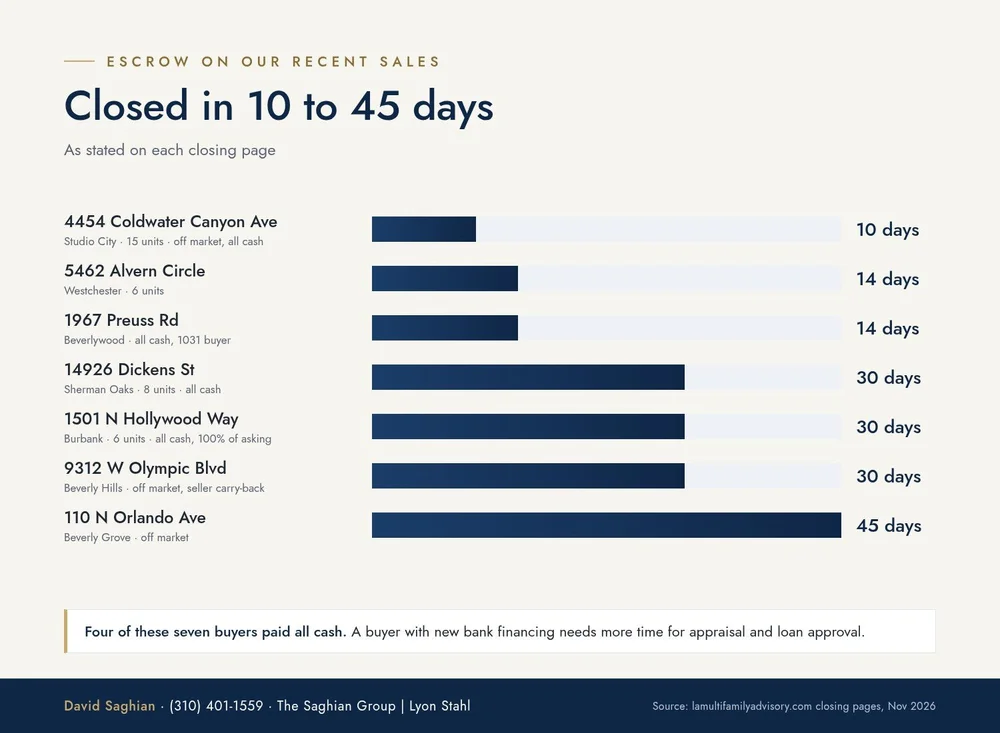
Escrow length depends mainly on the buyer and how they pay.
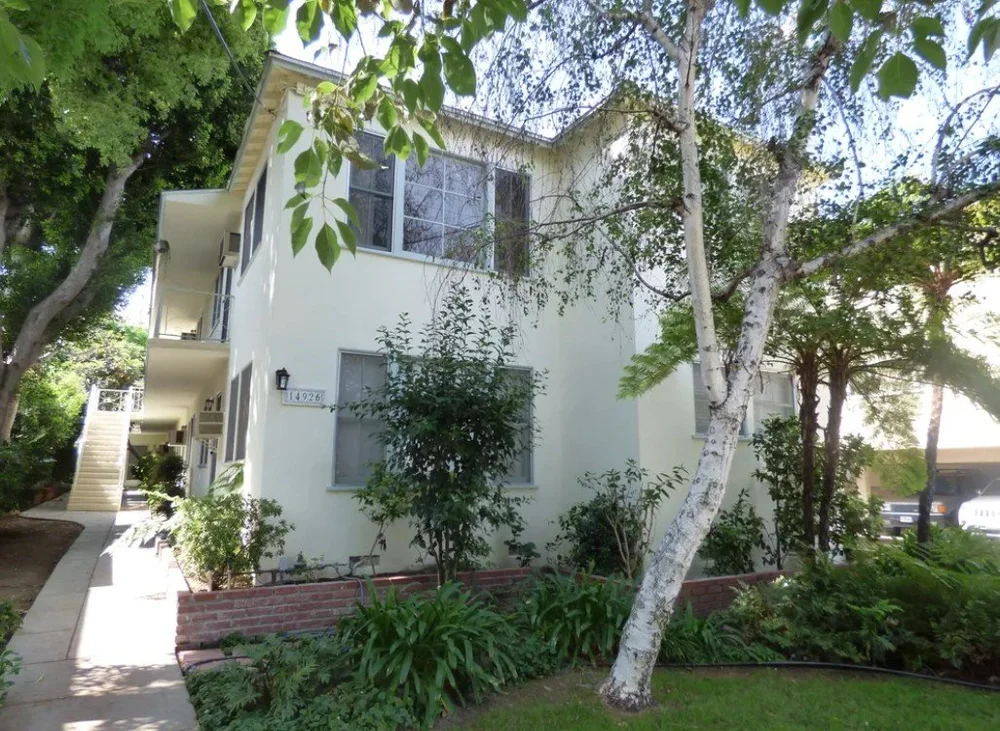
Front of 14926 Dickens Street, Sherman Oaks
How Long Marketing Takes
Marketing time depends on price, presentation and buyer demand. Two of our listings show what a well-prepared launch can produce:
- 2372 S Beverly Glen Blvd, an 8-unit building near Century City, drew eleven offers, and the selected buyer went non-contingent.
- 4100 McFarlane Ave, Burbank, a 13-unit building, received nine competitive offers.
More offers give you more choices on terms, not just price. A buyer who removes contingencies, puts down a larger deposit or can close quickly may be worth more to you than a slightly higher offer with a long loan contingency. Our guide to what an apartment building broker does when you sell explains how offers are compared.
An overpriced building is the most common reason marketing drags on. Pricing from closed sales, not asking prices, is the fastest way to get real offers. Our comps guide explains how to check the numbers behind a suggested price.
What Speeds a Sale Up
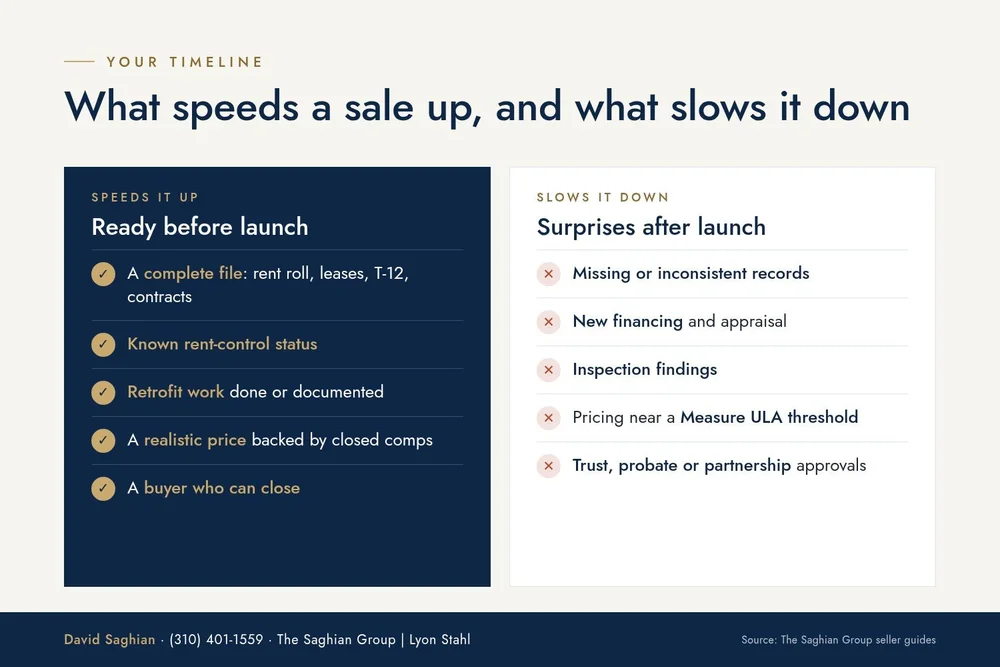
- A complete file before launch. Current rent roll, leases, a trailing 12-month income and expense statement, service contracts and records of capital work.
- Known rent-control status. Whether the building is under the City of Los Angeles Rent Stabilization Ordinance (RSO), only statewide AB 1482, or a separate city's rules affects every buyer's math. See AB 1482 vs. LA rent control.
- Retrofit work done or documented. At 1501 N Hollywood Way, the soft-story retrofit was already complete, which removed a major question for buyers. See our soft-story retrofit guide.
- A realistic price. A price backed by closed comps attracts serious buyers early.
- A buyer who can close. Proof of funds, a lender that has approved similar buildings, and a deposit that becomes non-refundable on a set date.
Front of 1501 N Hollywood Way, Burbank
What Slows a Sale Down
- Missing or inconsistent records. Rent rolls that do not match leases or bank deposits lead to questions, and sometimes to requests for price cuts during escrow.
- New financing. Appraisal and loan approval add time, and a low appraisal can reopen price talks.
- Inspection findings. Plumbing, roofing, electrical and retrofit issues usually lead to a request for a credit or repair. Credits often close faster than repairs.
- Transfer tax thresholds. Inside the City of Los Angeles, Measure ULA applies to the full price once a threshold is crossed. Sellers near a threshold sometimes take extra time to compare offers on net proceeds. See our Measure ULA guide for apartment sellers.
- Trust, probate and partnership sales. Confirming who can sign, getting beneficiary or partner approval and, where required, court confirmation all add steps. See selling a trust-owned apartment building and selling through probate in Los Angeles.
The biggest variable is how ready your file is before marketing starts.
Off-Market Sales Can Be Faster, With a Trade-Off
Several of our fastest closings were off market: 4454 Coldwater Canyon Ave (10 days), 9312 W Olympic Blvd (30 days) and 110 N Orlando Ave (45 days). An off-market sale skips the public launch, which can save weeks and keep the sale private from tenants and neighbors.
The trade-off is competition. A full marketing campaign usually reaches more buyers, and more buyers tend to produce more offers. Ask your broker to show you both paths with real numbers before you decide. Our selling guide covers when each approach makes sense.
If You Are Doing a 1031 Exchange
A 1031 exchange adds its own clock. Under the IRS rules for like-kind exchanges, the replacement property must be identified within 45 days after you transfer the property you are selling, and received within 180 days or by your tax return due date (including extensions), whichever is earlier. Those clocks start at your closing, so it pays to look at replacement properties before you accept an offer.
Talk to your CPA and a qualified intermediary before you list. Our 1031 exchange page for Los Angeles owners and our guide to DST vs. NNN replacement properties explain the options. This article is not tax advice.
Work Backward From Your Target Closing Date
If you want to close by a certain date, count back about five months and start with a valuation. Then:
- Gather the rent roll, leases and T-12 right away. These are the documents buyers ask for first.
- Confirm the building's jurisdiction and rent rules before you set a price.
- Ask for a net sheet at two or three prices, so you can compare offers on what you keep.
- Decide early whether you will exchange, so the 45-day window does not catch you unprepared.
- Leave room for a longer escrow if your likely buyer will be financing the purchase.
Our Los Angeles apartment sale checklist lists the documents and decisions in order.
The Bottom Line
Most of the time in an apartment sale is spent before a buyer is chosen. Once a buyer was in place, the fastest sales on our site closed in 10 to 45 days, as stated on each closing page, most of them with all-cash buyers. You can check those details on each closing page, or see every sale on our track record page. To get a timeline and price range for your building, call David Saghian at (310) 401-1559 or request a free property valuation.
Frequently Asked Questions
How long does it take to sell an apartment building in Los Angeles?
Plan on roughly four to five months from first valuation to closing. Our selling guide uses a Day 0–150 planning schedule covering valuation, preparation, marketing and escrow. Clean, well-priced buildings with cash buyers can move faster; financing, missing records, trust or probate steps and 1031 timing can add time.
How long is escrow on an LA apartment building?
It depends mainly on the buyer. On The Saghian Group's closing pages, buyers have closed in 10, 14, 30 and 45 days, mostly all-cash buyers. A buyer using new financing needs time for an appraisal and loan approval, so plan for a longer escrow in that case.
Is an off-market apartment sale faster?
It can be, because it skips the public launch. Three of our off-market sales closed in 10, 30 and 45 days. The trade-off is that a full marketing campaign usually reaches more buyers and produces more competition, so compare both paths with real numbers before you decide.
Does rent control slow down an apartment building sale?
Rent-control status does not stop a sale, but buyers need to know which rules apply before they set their price. Confirm whether the building is under the City of Los Angeles RSO, only statewide AB 1482, or a separate city's rules, and have the records ready before you list.
How does a 1031 exchange affect my selling timeline?
Under IRS rules, replacement property must be identified within 45 days after you transfer the property you sell and received within 180 days or by your tax return due date, whichever is earlier. Because those clocks start at closing, look at replacement options before you accept an offer and talk with your CPA.
Do trust and probate apartment sales take longer?
They usually add steps, such as confirming who has authority to sign, getting beneficiary approval and, where required, court confirmation. The timeline depends on the trust or court process, so plan those steps before marketing begins.
When should I contact a broker if I want to sell next year?
Start about five months before your target closing date, or earlier if you plan a 1031 exchange or need repairs. A valuation and net-proceeds estimate in the first two weeks sets up every later decision.
How do I reach David Saghian?
Call (310) 401-1559 or request a free property valuation on lamultifamilyadvisory.com. David Saghian is licensed with Lyon Stahl Investment Real Estate, DRE 01992252.